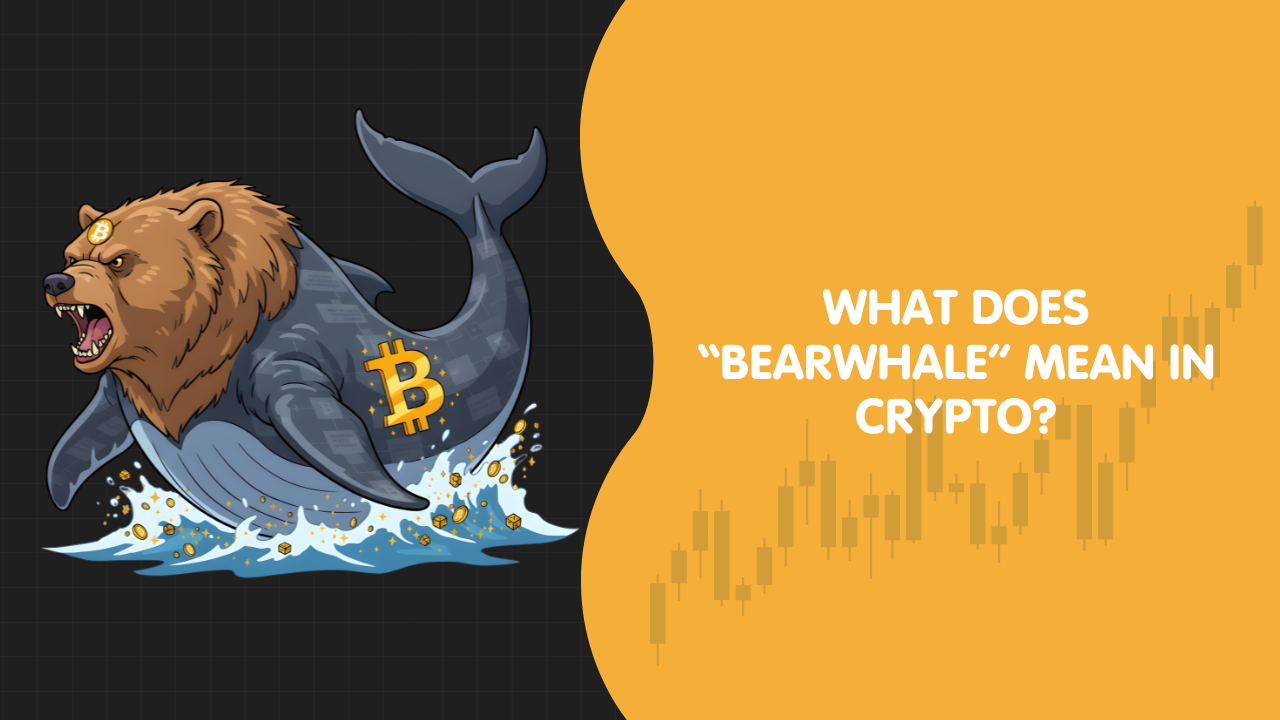
In the context of a live chart, a “bearwhale” is more than just a large holder; it represents a specific type of market participant who uses immense capital to exert downward pressure on price. While a “whale” is simply any entity with a massive supply of an asset, and a “bear” is anyone expecting price to drop, a bearwhale is the active fusion of both: a player with enough volume to turn their bearish bias into a market reality.
Origin of the term
The term comes from a legendary Bitcoin moment in October 2014. An anonymous trader tried to sell 30,000 BTC at $300 apiece, well below market value, in a single order on Bitstamp. That $9 million wall of Bitcoin froze the market around $300 for a while, until other buyers slowly chewed through the entire order. It was dramatic enough that the crypto crowd gave it a name: the “Bearwhale.”
How do bear whales move the market?
A bearwhale moves the market by creating an imbalance between supply and demand that is impossible to ignore. When a massive sell order is executed, it often appears on the chart as a “long-bodied red candle” with high volume. This is the initial physical impact.
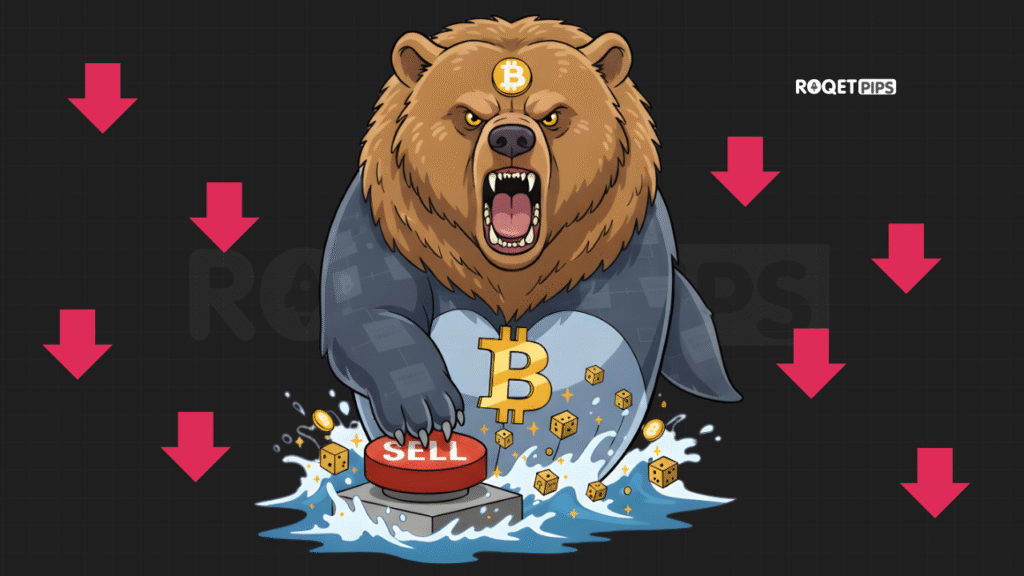
However, the secondary effect is psychological. Most retail traders look at the chart and see a sudden, violent drop. This often leads to a chain reaction:
- Stop-Loss Cascades: The sudden drop hits the price levels where other traders have placed their “exit” orders, forcing more selling.
- Panic Selling: Seeing the velocity of the move, other participants sell manually, fearing the price will go to zero.
- Liquidity Voids: Because the bearwhale’s order is so large, it can “clear out” all the buy orders at nearby price levels, causing the price to “slip” or gap downward rapidly.
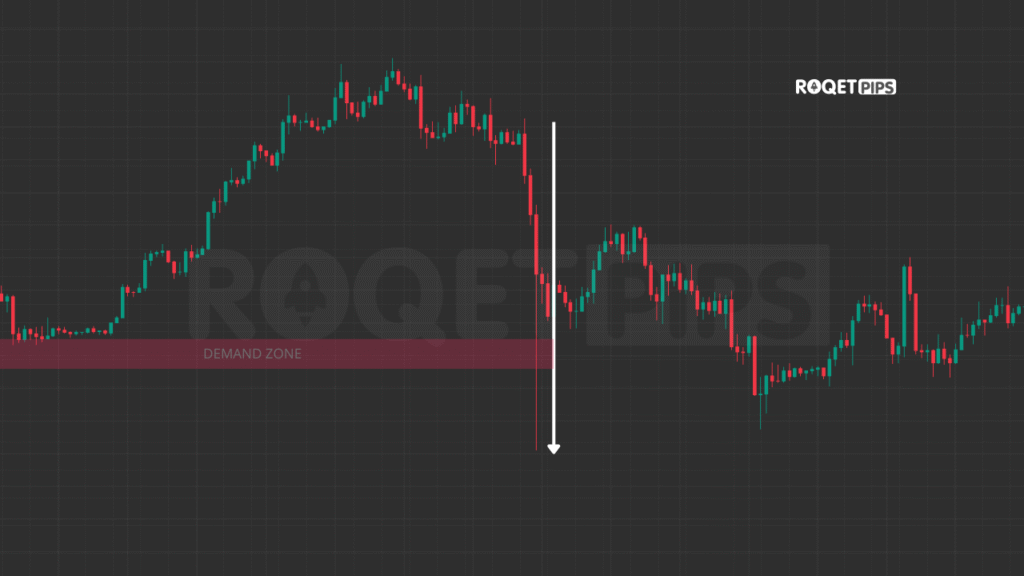
Traders often look at these moments to gauge market strength. If a bearwhale dumps a large amount and the price recovers quickly, it suggests that there is “hidden demand” or strong institutional buying waiting at lower levels. If the price fails to bounce, it confirms that the bearwhale has successfully shifted the market structure from bullish to bearish.
Category: Crypto Tags: liquidity, whales, sell walls, order book, price action, volatility, volume
Leave a Reply